
How a window opens is only the beginning.
Frame material, glass, proportions, and operation all shape the finished result. We can discuss the following styles and identify options suited to your project. Availability depends on the selected brand, system, and opening.
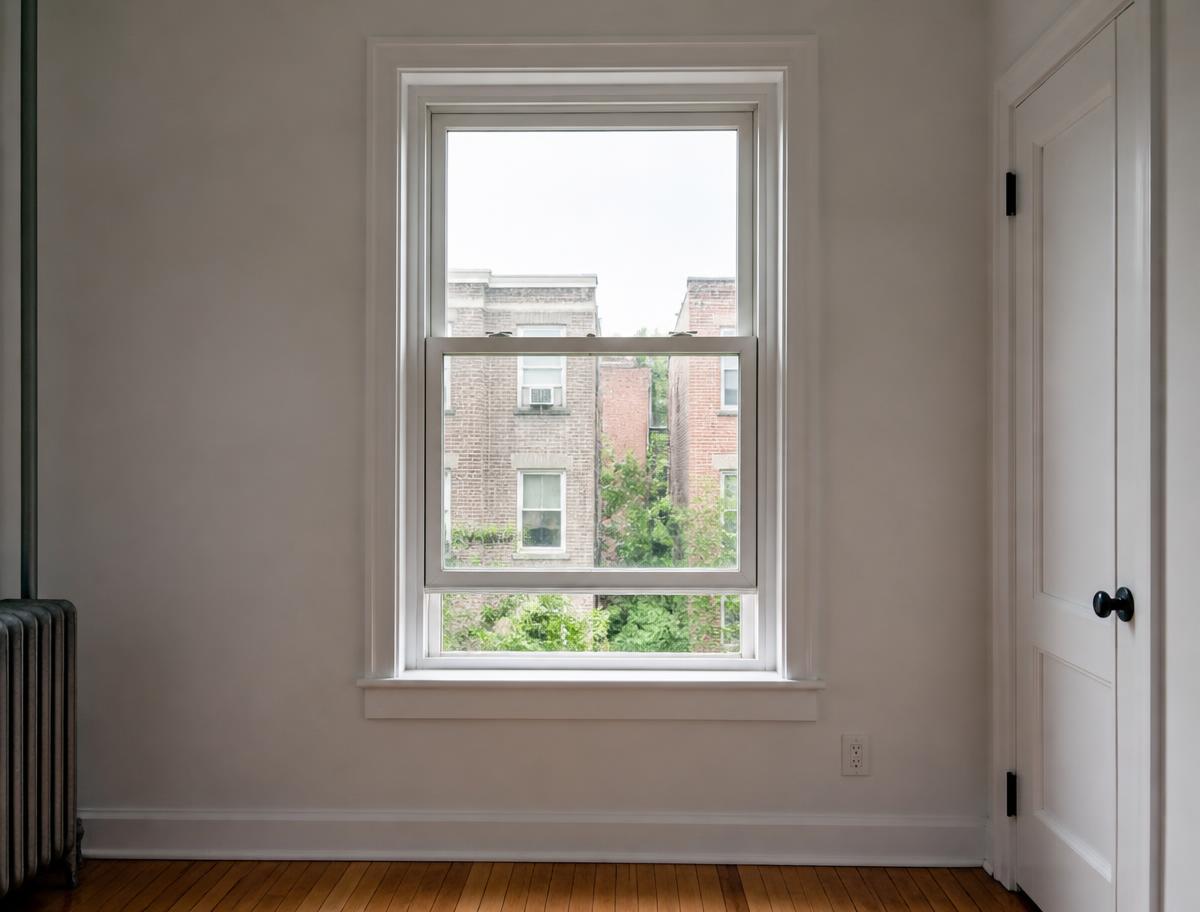
Double-hung windows
A familiar profile with vertically sliding sashes. A useful starting point when the existing home has traditional window proportions.
Best forTraditional Queens facades, air shafts, window air conditioners and guards
View this window type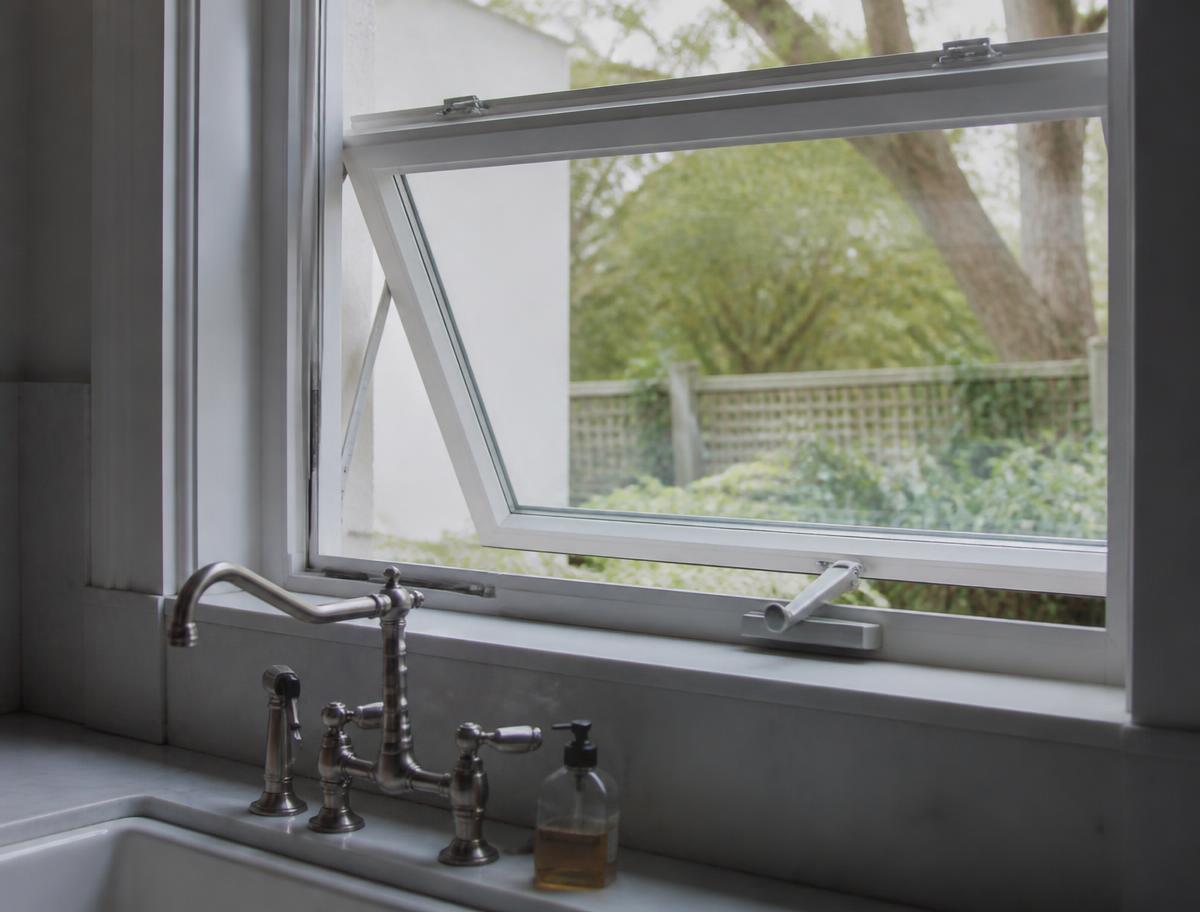
Casement and awning windows
Hinged designs with different opening directions. Consider them alongside ventilation needs, exterior clearance, and the layout of the room.
Best forAirtightness, kitchens over a sink, and windows you can't reach easily
View this window type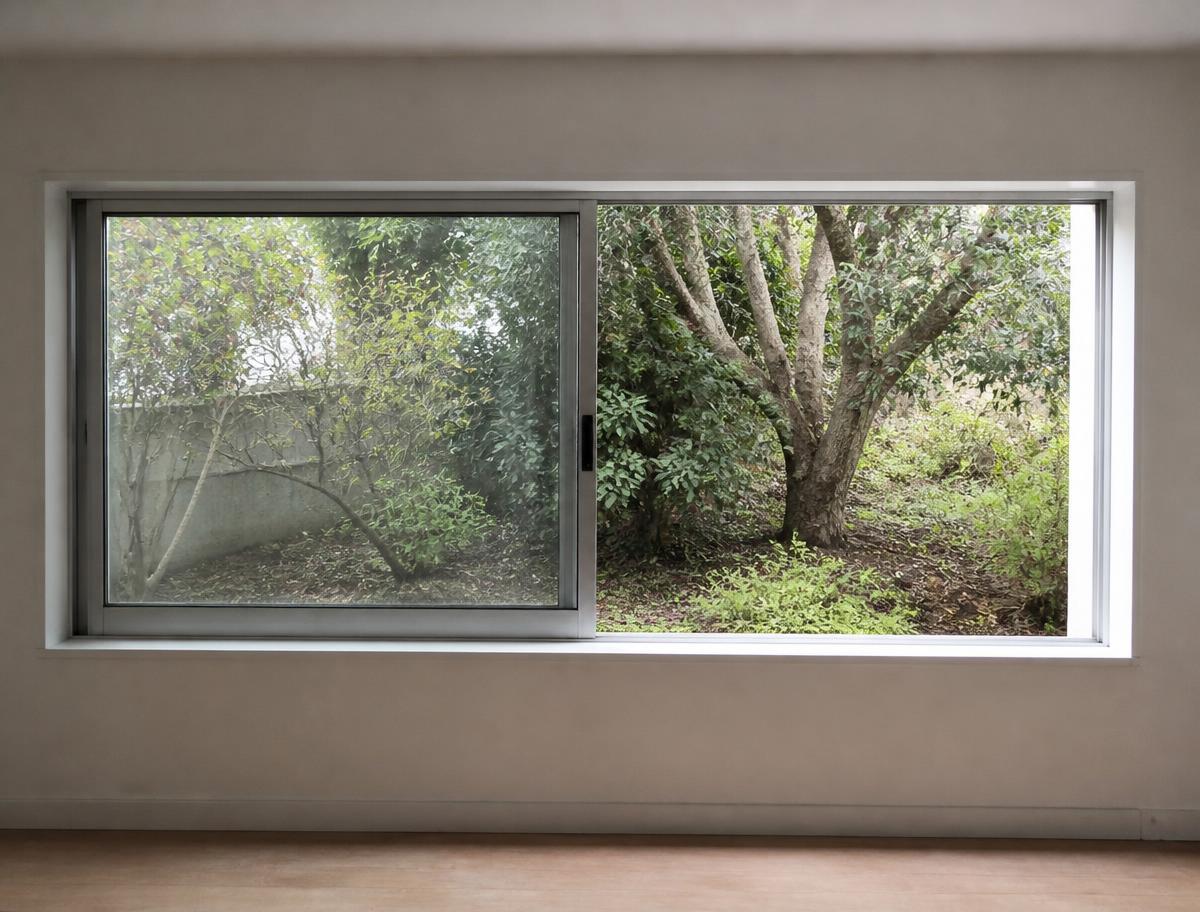
Sliding windows
Side-to-side operation for openings where that movement suits the space. Frame configuration and access are part of the selection.
Best forWide, low openings with no room to swing — and tight budgets
View this window type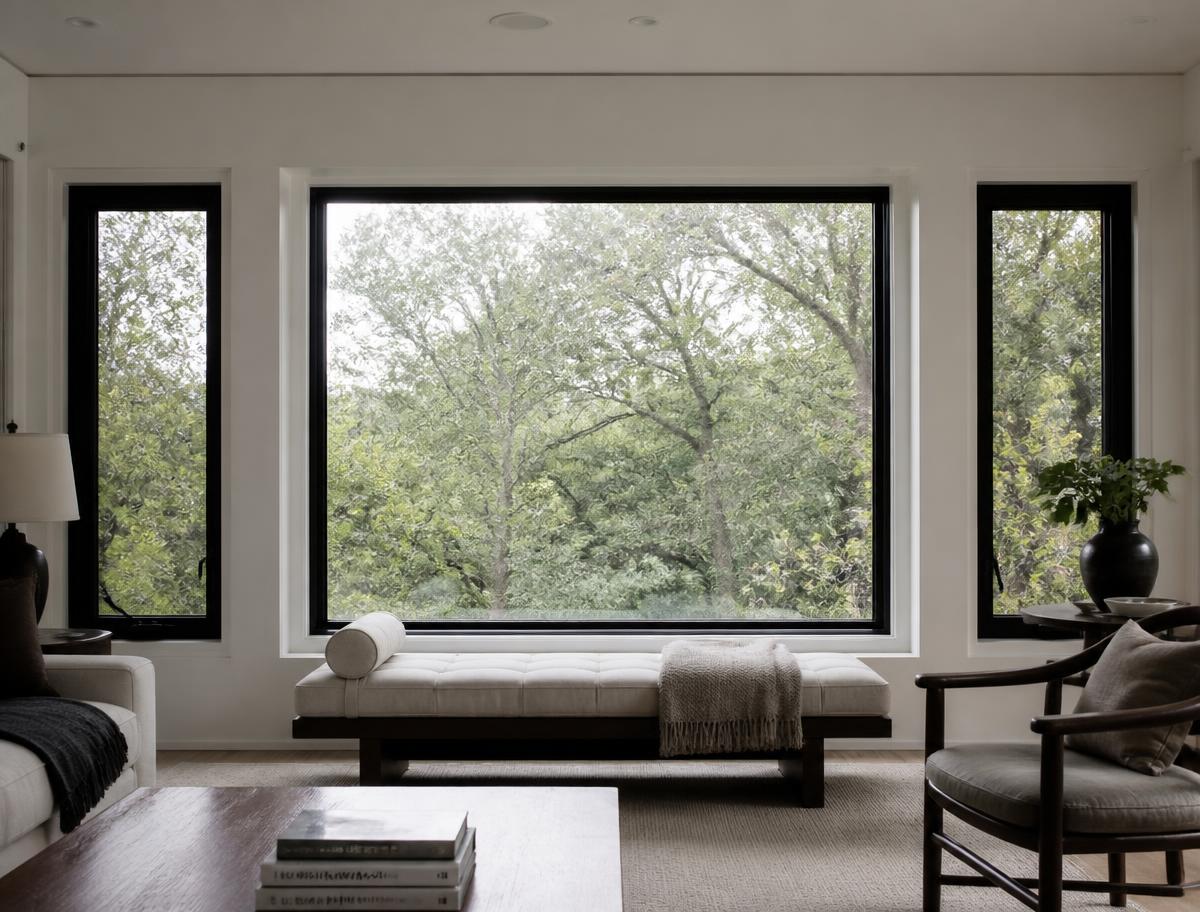
Picture and combination windows
Fixed glass brings the view into focus. Combining fixed and operable sections allows light, appearance, and ventilation to be considered together.
Best forMaximum light and the tightest seal, paired with operable units
View this window type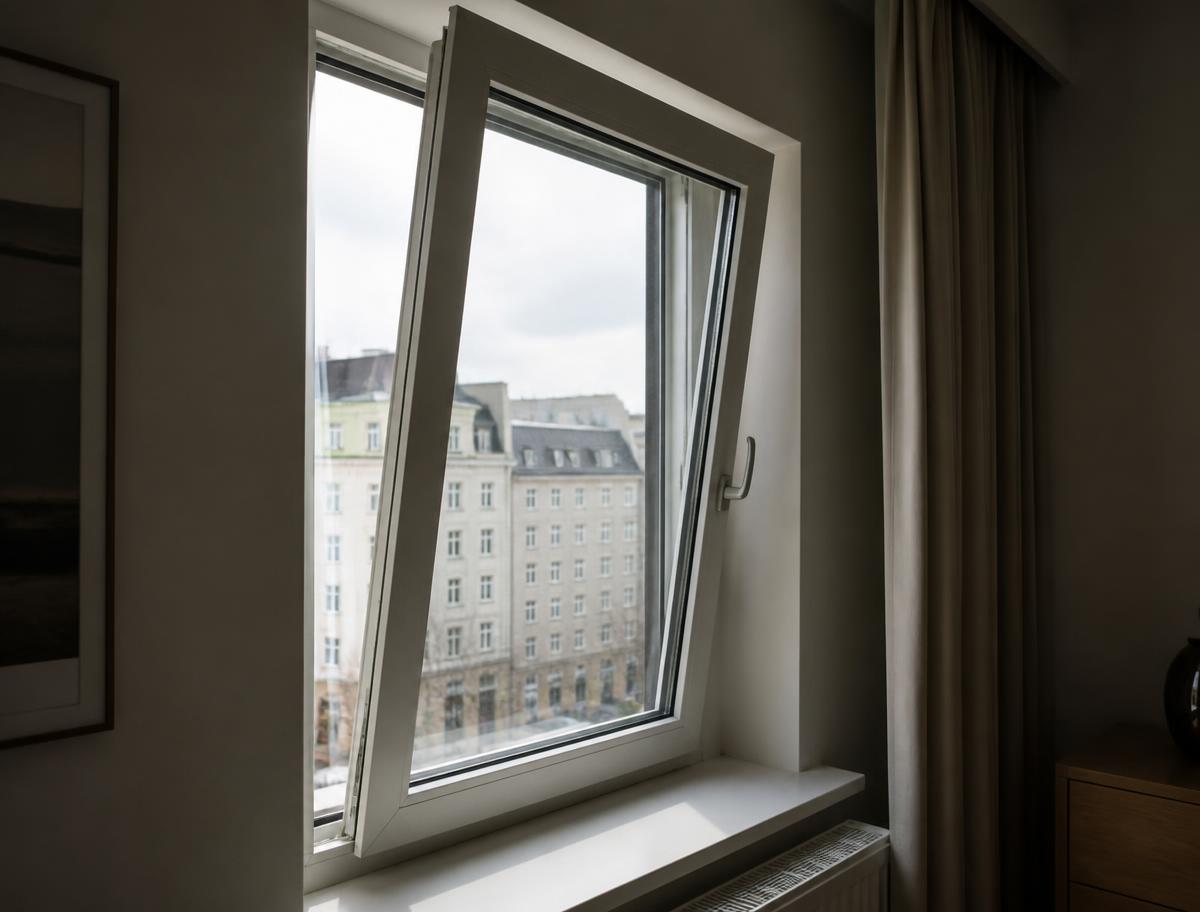
Tilt-and-turn windows
Two opening modes within one window system. Discuss the available configurations, interior clearance, and suitability for your property.
Best forUpper floors, noisy streets, and homes that want the tightest seal available
View this window type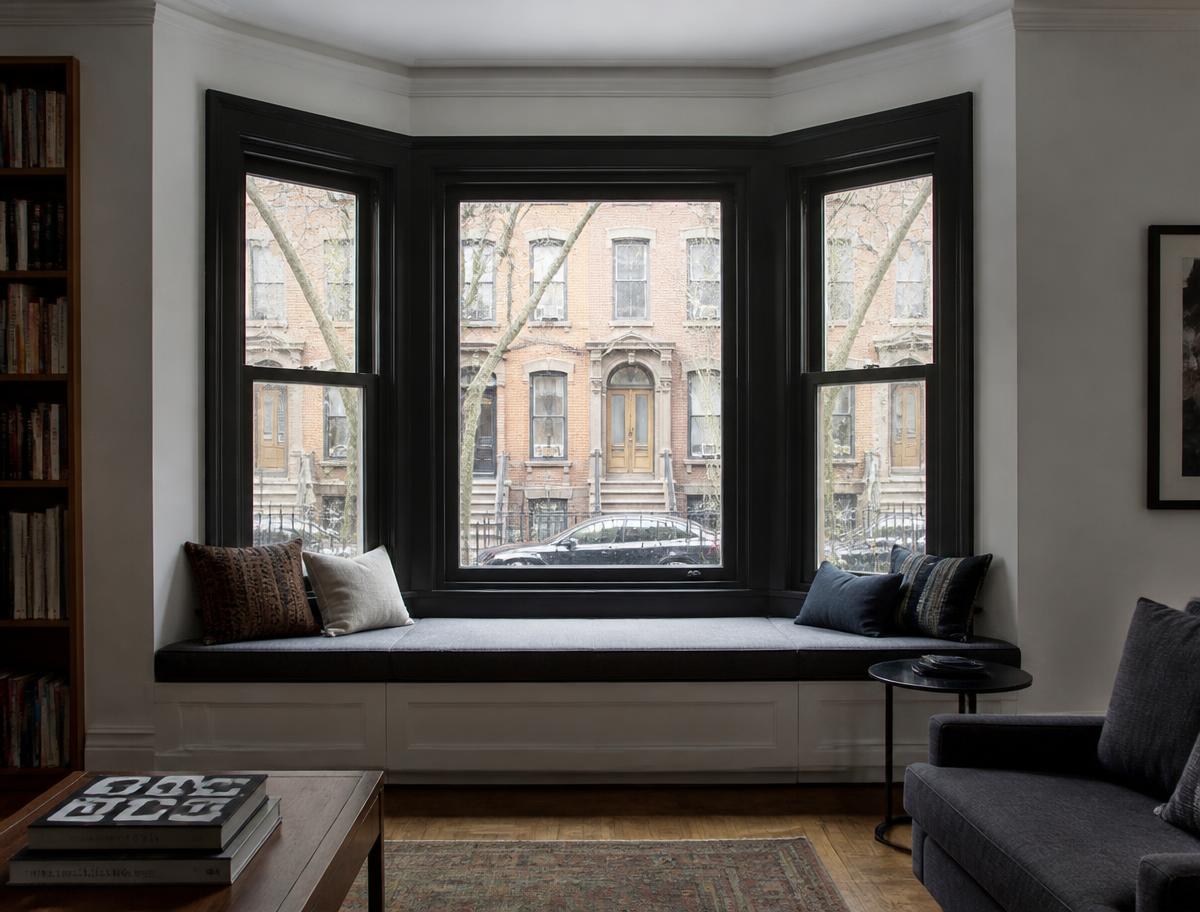
Bay, bow, and specialty windows
Projects where shape and dimension play a larger role. The opening and surrounding construction help determine the right approach.
Best forStreet-facing rooms with the wall area and structure to project outward
View this window type
Six ways to open a wall
The differences that matter are mechanical: whether the sash is pulled tight against a gasket or slid along a track, how much of the opening actually opens, and what the window asks of the space around it.
| Double-hung | Casement and awning | Sliding | Picture and combination | Tilt-and-turn | Bay, bow, and specialty | |
|---|---|---|---|---|---|---|
| Air seal | Good — sliding seal, not compression | Best among operable types — compression seal | Adequate — the loosest of the six | Best of all — nothing moves, nothing leaks | Best-in-class — multi-point compression | As good as the flanker sashes chosen |
| Ventilation | Up to half the opening; top and bottom | Full opening; casement scoops breeze | Up to half the opening, one plane | None from the fixed lite | Secure tilt, or a full door-sized swing | From the flankers only |
| Escape opening | Lower sash only — measure it | Casement can qualify; awnings often can't | Often the easiest wide opening to qualify | Never counts; flankers must qualify alone | Can qualify in turn mode — verify per model | A single flanker must qualify on its own |
| Cost tendency | Mid-range, the volume product | Above double-hung for the same size | Usually the most economical operable type | Low per square foot of glass; assemblies add up | Premium tier | Highest per opening — structure and roofing included |
| Best for | Traditional Queens facades, air shafts, window air conditioners and guards | Airtightness, kitchens over a sink, and windows you can't reach easily | Wide, low openings with no room to swing — and tight budgets | Maximum light and the tightest seal, paired with operable units | Upper floors, noisy streets, and homes that want the tightest seal available | Street-facing rooms with the wall area and structure to project outward |
General guidance only. Bedroom escape-opening requirements are measured at the clear opening of the specific unit, and landmarked or historic-district properties have their own review process — both should be confirmed for your address before ordering.
Tell us what you would like to change.
You do not need to know the product name or have every measurement ready. Start with the property, the windows, and the problem you want to solve.