
Picture and combination windows
Maximum light and the tightest seal, paired with operable units
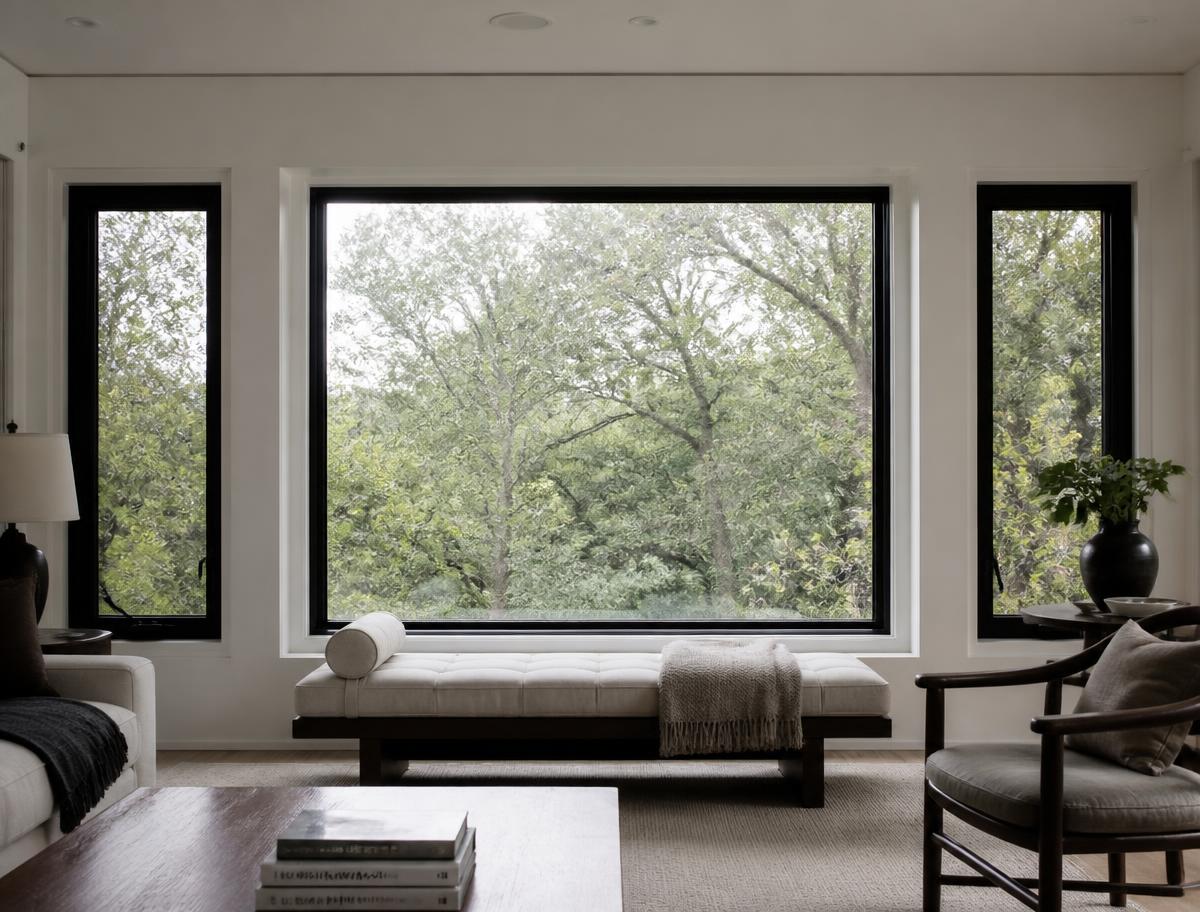
A fixed pane is the only window with no compromise built into it. There is no track to slide in, no gasket to relax, no hardware to wear — the glass is sealed into the frame and stays there. It is the airtight benchmark that every operable window is measured against, and it lets you span more glass than any other type.
The craft is in the combination: a big fixed lite doing the looking, flanked or topped by casements, awnings or hung sashes doing the breathing. Get that split right and a room gains light without losing air.
How it works, and what that means day to day
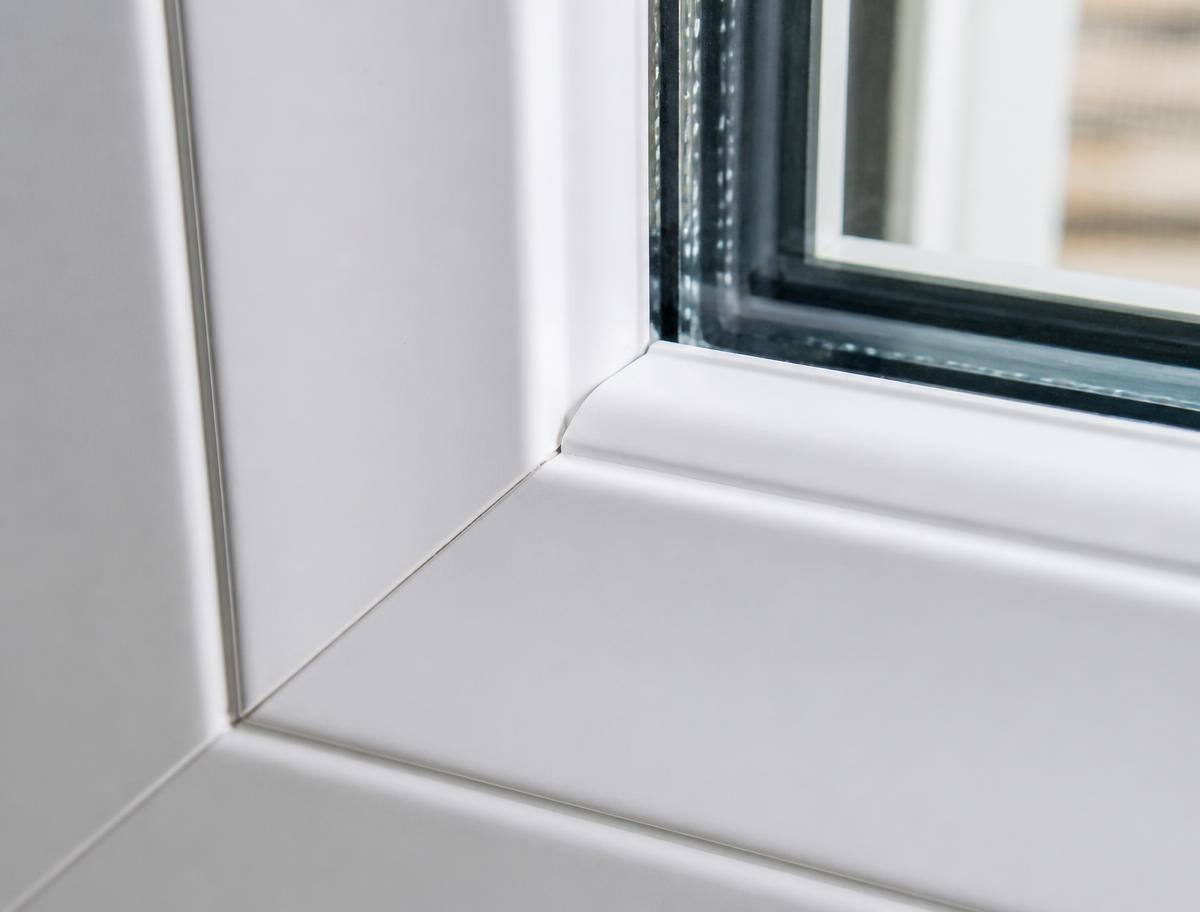
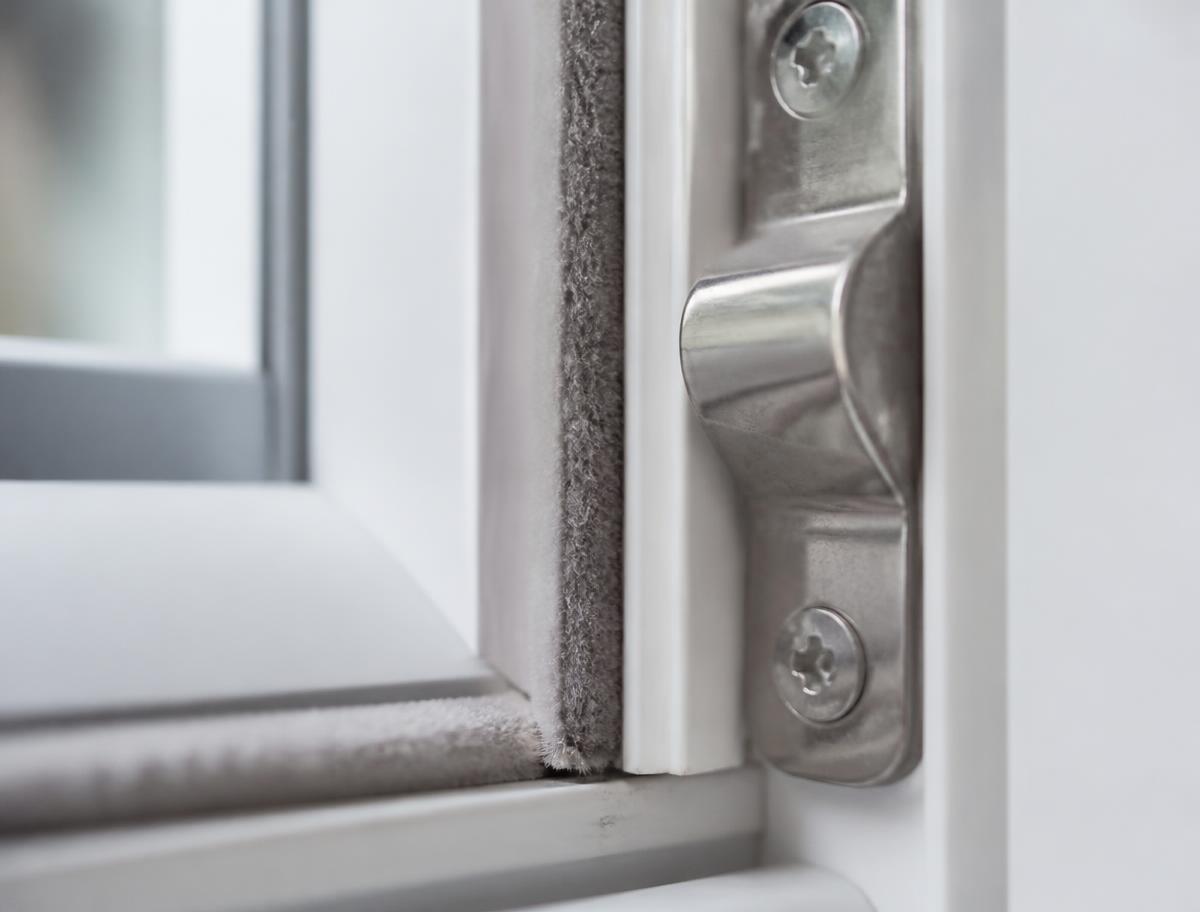
Nothing operates. That removes the weakest link in a window's thermal performance and lets the manufacturer make the unit larger than an operating sash could safely be.
It also means the outside face has to be cleaned from outside, unless a tilt-in or inward-swinging companion sash sits next to it.
What sets it apart from the other five
- Tightest seal and the largest possible glass area of the six.
- The only type that contributes nothing at all to ventilation.
- Never counts toward a bedroom escape opening — the operable flankers must satisfy that on their own.
- Cheapest glass per square foot, but a multi-unit assembly is a bigger job than a single window.
Where it fits best
- Living and dining rooms with a street, garden or skyline view worth framing.
- Stair halls, landings and corridors that need daylight rather than air.
- Non-bedroom walls in apartments where escape requirements do not apply.
- Pairing above or beside operable units to lift the head height of an opening.
Trade-offs to know before choosing
Large glass is heavy, and heavy glass has to get up a staircase or in through a window opening on install day — access is part of the specification. On a west-facing wall, a big fixed lite also needs a considered coating unless you want the room to bake in July.
Questions worth raising at the estimate
Every opening argues its own case. These are the details that decide whether fixed and combination glazing is the right answer in your rooms rather than in general.
- Measured net clear opening if the room is a bedroom — the daylight opening, not the frame size.
- Exterior clearance: walkways, fire escapes, party walls, neighbouring buildings, air shafts.
- How you will clean the outside of the glass once it is installed.
- Whether an air conditioner, window guard or existing gate has to keep working.
- Glazing package for the exposure — sun, wind-driven rain, or street noise.
- For landmarked or historic-district properties, what the Landmarks Preservation Commission and DOB will accept before anything is ordered.
Tell us what you would like to change.
You do not need to know the product name or have every measurement ready. Start with the property, the windows, and the problem you want to solve.