
Double-hung windows
Traditional Queens facades, air shafts, window air conditioners and guards
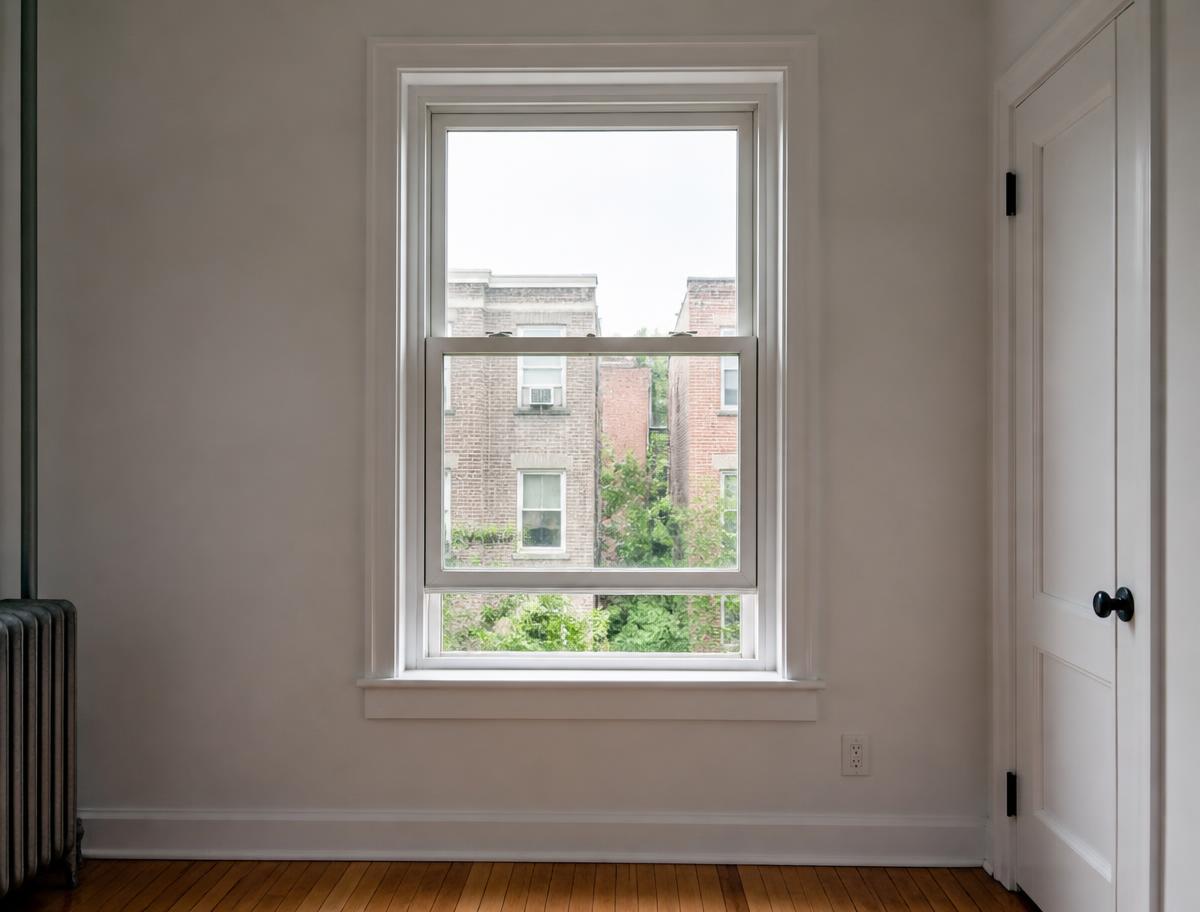
The double-hung is the window Queens already looks like. Two sashes stacked in a vertical frame, the lower one pushed up, the upper one occasionally pulled down on a hot night — it is the proportion the borough's brick row houses were drawn around, and replacing one with anything else changes the face of the building whether you intended that or not.
It is also the most practical window in a dense city. Nothing swings outward into a party wall, an air shaft or a fire escape. An air conditioner still fits. A window guard still fits. And on almost every modern replacement unit, both sashes tilt inward so the outside of the glass can be washed from a chair, which in an attached house with no side yard is not a small thing.
How it works, and what that means day to day
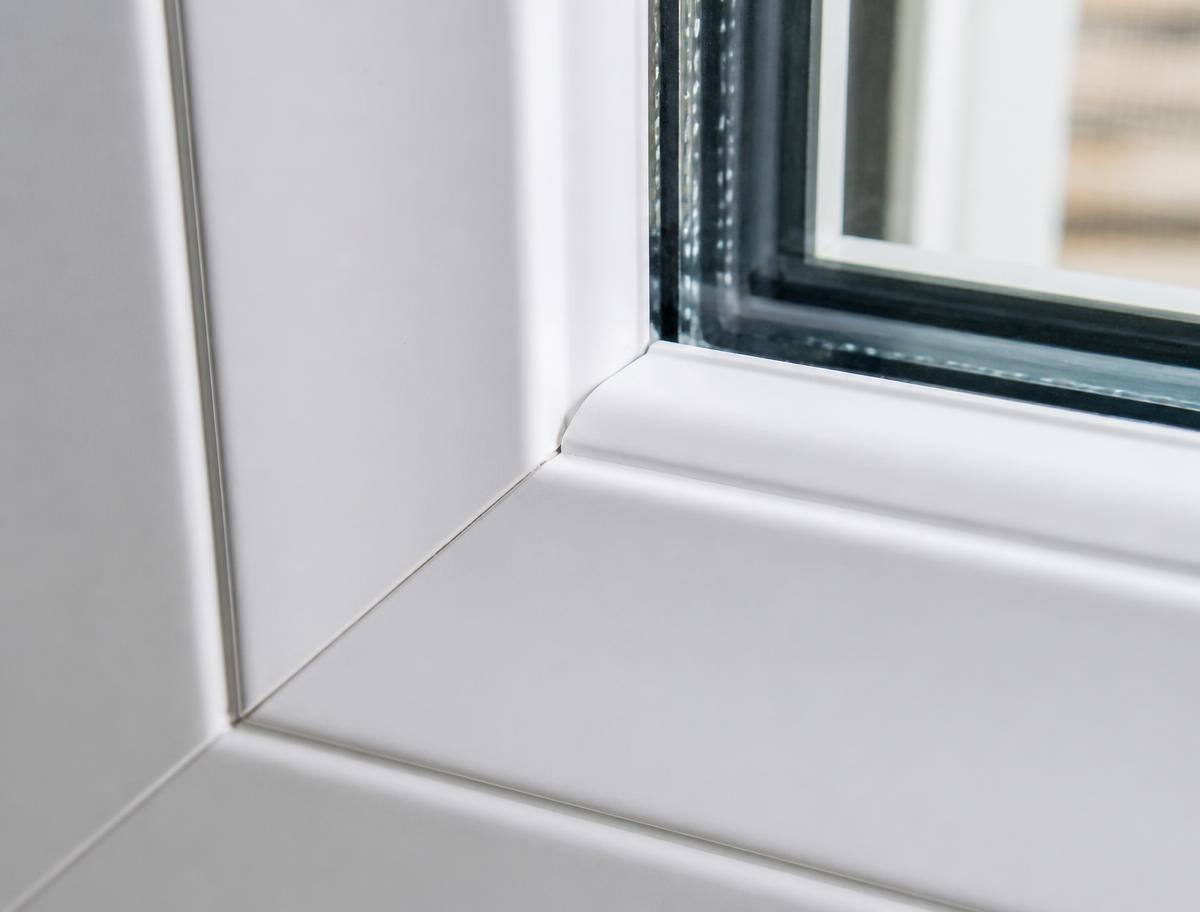
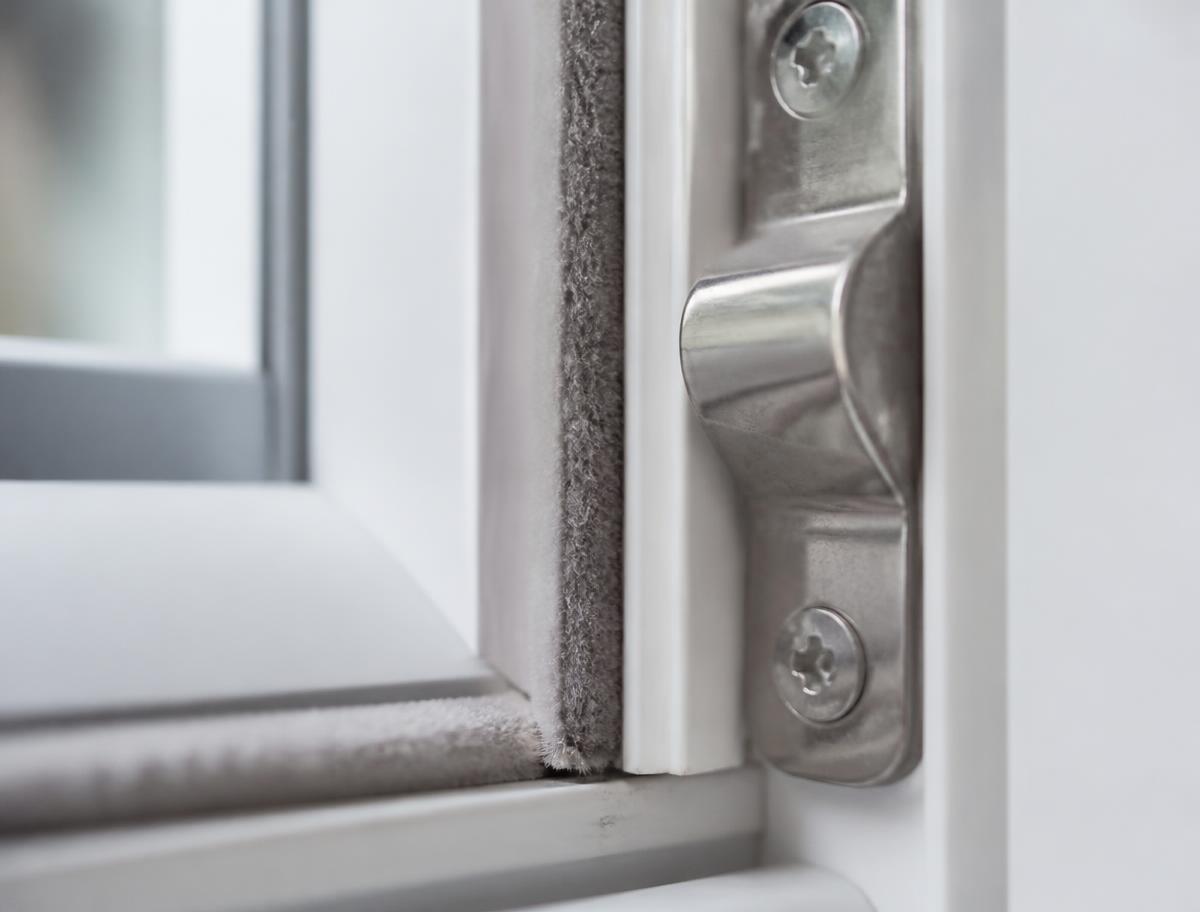
Both sashes ride vertically in a track, held at any height by a balance system. Because they must slide, the weatherstripping is a compressible seal riding against a track rather than a gasket squeezed shut by hardware — the operating principle sets the performance ceiling.
In practice a good modern double-hung is tight and quiet. It is simply not as tight as a window that cranks closed, and the difference shows up on a windy winter night on an exposed elevation.
What sets it apart from the other five
- It needs no exterior clearance at all — unlike casement and awning windows.
- It stacks vertically, so it works in narrow openings where a slider would not.
- It gives two-way ventilation — warm air out of the top, cooler air in at the bottom — which a slider cannot do.
- It tilts for cleaning, but does not swing fully inward the way a tilt-and-turn does.
- It seals less tightly than casement, awning or tilt-and-turn, and less tightly than fixed glass.
Where it fits best
- Brick row houses and attached two-families where the facade rhythm should not change.
- Openings onto air shafts, alleys, fire escapes and lot lines with no room to swing.
- Rooms that keep a window air conditioner or a security gate.
- Upper floors in houses with no side access, thanks to tilt-in cleaning.
- Landmarked or historic-district facades, where matching the original configuration is usually the safest route — subject to LPC review.
Trade-offs to know before choosing
Only half the opening ever opens, so on a still summer day it moves less air than a casement of the same size. The sliding seal is the weakest point in a wind-driven storm. And in a bedroom, only the lower sash counts toward an emergency escape opening — an older narrow double-hung can look generous and still fall short once the sash and hardware are subtracted, so the clear opening has to be measured rather than assumed.
Questions worth raising at the estimate
Every opening argues its own case. These are the details that decide whether a double-hung is the right answer in your rooms rather than in general.
- Measured net clear opening if the room is a bedroom — the daylight opening, not the frame size.
- Exterior clearance: walkways, fire escapes, party walls, neighbouring buildings, air shafts.
- How you will clean the outside of the glass once it is installed.
- Whether an air conditioner, window guard or existing gate has to keep working.
- Glazing package for the exposure — sun, wind-driven rain, or street noise.
- For landmarked or historic-district properties, what the Landmarks Preservation Commission and DOB will accept before anything is ordered.
Tell us what you would like to change.
You do not need to know the product name or have every measurement ready. Start with the property, the windows, and the problem you want to solve.