
Sliding windows
Wide, low openings with no room to swing — and tight budgets
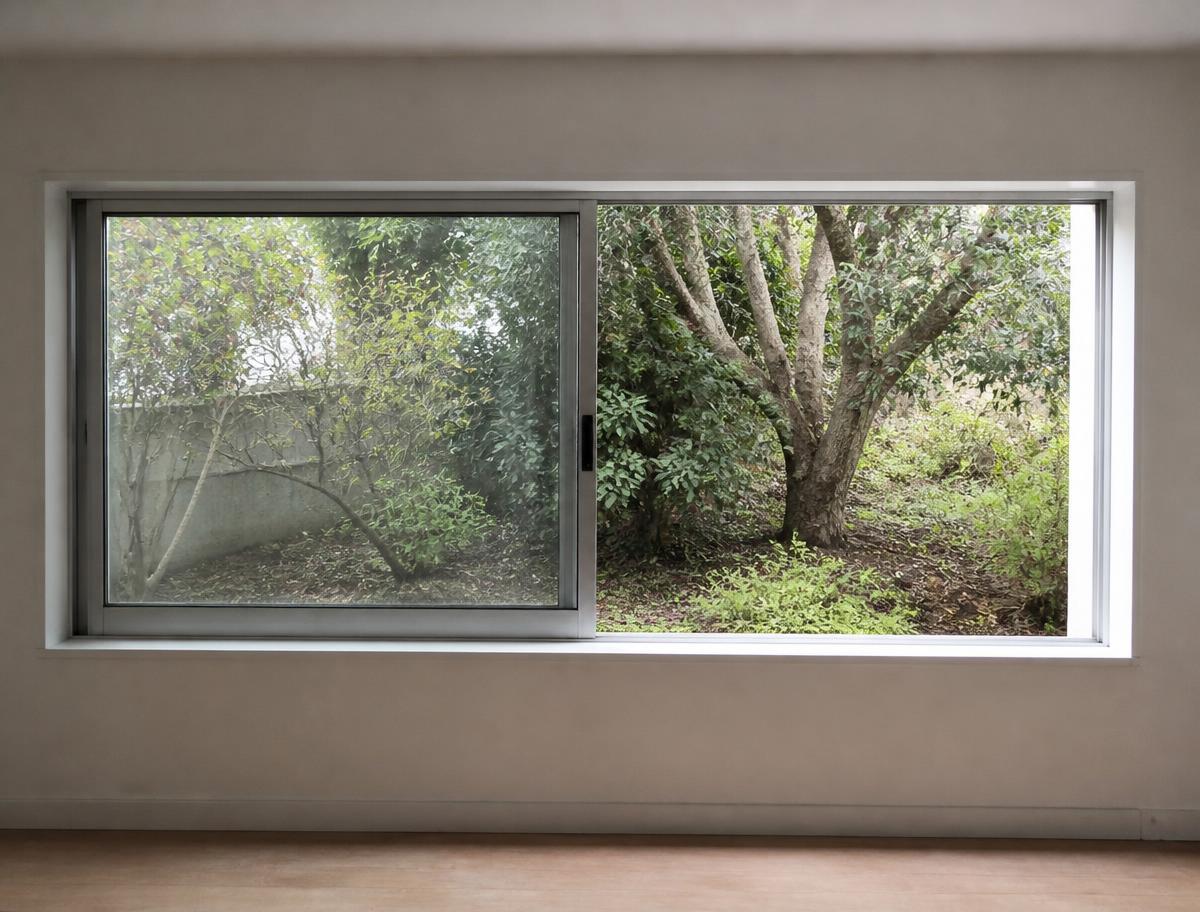
The slider is the pragmatist of the group. One sash glides sideways past another, there is very little to go wrong, it costs less per square foot than anything else that opens, and it fits the shape of openings that defeat other window types: wide, low, and hemmed in on both sides.
Garden-level rooms, kitchens facing an alley, basements, dormers, rentals being turned over between tenants — this is where a slider stops being a compromise and starts being the correct specification.
How it works, and what that means day to day
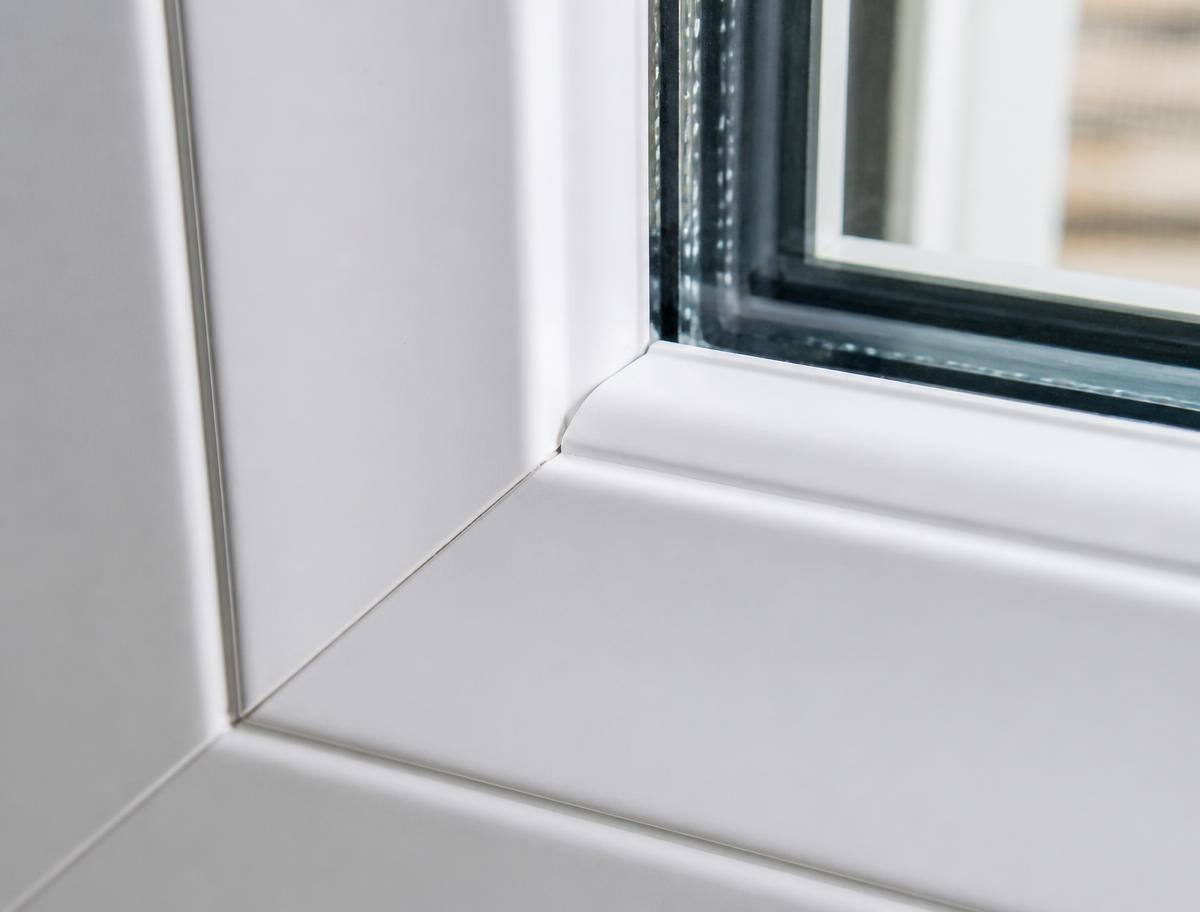
The operable sash rides a track past a fixed panel. Nothing projects into the room or out over a path, and there is no balance system or crank gear to fail. Most units lift or tilt out of the track for cleaning.
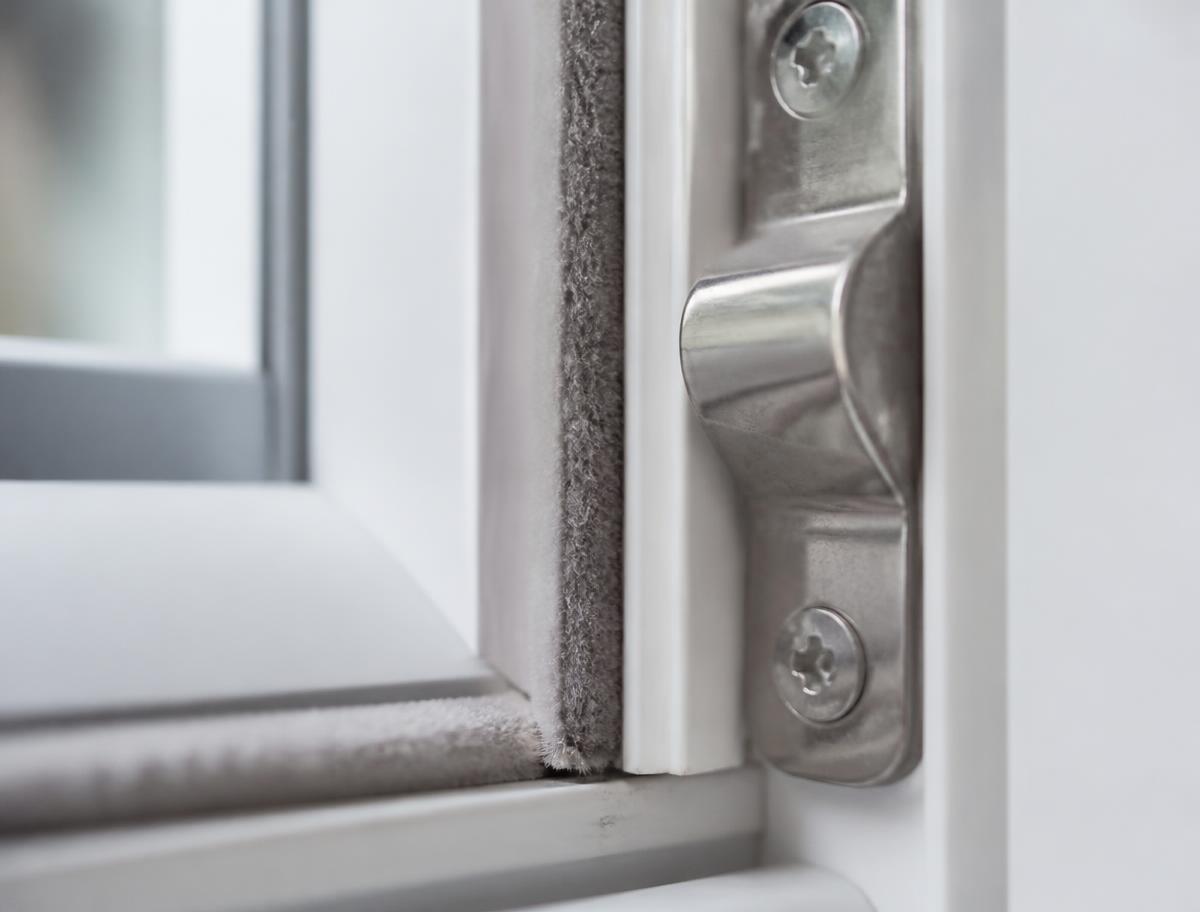
The same track that makes it effortless keeps it from sealing like a casement. Brush and pile weatherstripping has to stay loose enough to slide, so a slider is typically the leakiest of the six over a long life — the trade is deliberate, not accidental.
What sets it apart from the other five
- Best type for a wide opening that is shorter than it is broad.
- No swing clearance needed inside or out, unlike casement, awning and tilt-and-turn.
- No vertical space needed for balances, unlike double-hung.
- Simplest hardware and typically the lowest cost of the operable types.
- Weakest air seal, and no rain ventilation the way an awning offers.
Where it fits best
- Basement and garden-level openings, where a wide sash makes an escape opening easier to achieve.
- Alleys, light wells and lot lines with no exterior clearance.
- Apartment buildings where outward-opening sashes are not permitted on the facade.
- Rental and two-family turnovers where budget and durability lead.
- Wide modern openings paired with fixed glass.
Trade-offs to know before choosing
Tracks collect grit, and grit is what eventually makes a slider stiff — a minute of cleaning twice a year prevents most complaints. Only half the opening ever opens. And if the room is exposed and you care about the last few per cent of airtightness, a casement will beat it.
Questions worth raising at the estimate
Every opening argues its own case. These are the details that decide whether a slider is the right answer in your rooms rather than in general.
- Measured net clear opening if the room is a bedroom — the daylight opening, not the frame size.
- Exterior clearance: walkways, fire escapes, party walls, neighbouring buildings, air shafts.
- How you will clean the outside of the glass once it is installed.
- Whether an air conditioner, window guard or existing gate has to keep working.
- Glazing package for the exposure — sun, wind-driven rain, or street noise.
- For landmarked or historic-district properties, what the Landmarks Preservation Commission and DOB will accept before anything is ordered.
Tell us what you would like to change.
You do not need to know the product name or have every measurement ready. Start with the property, the windows, and the problem you want to solve.