
Tilt-and-turn windows
Upper floors, noisy streets, and homes that want the tightest seal available
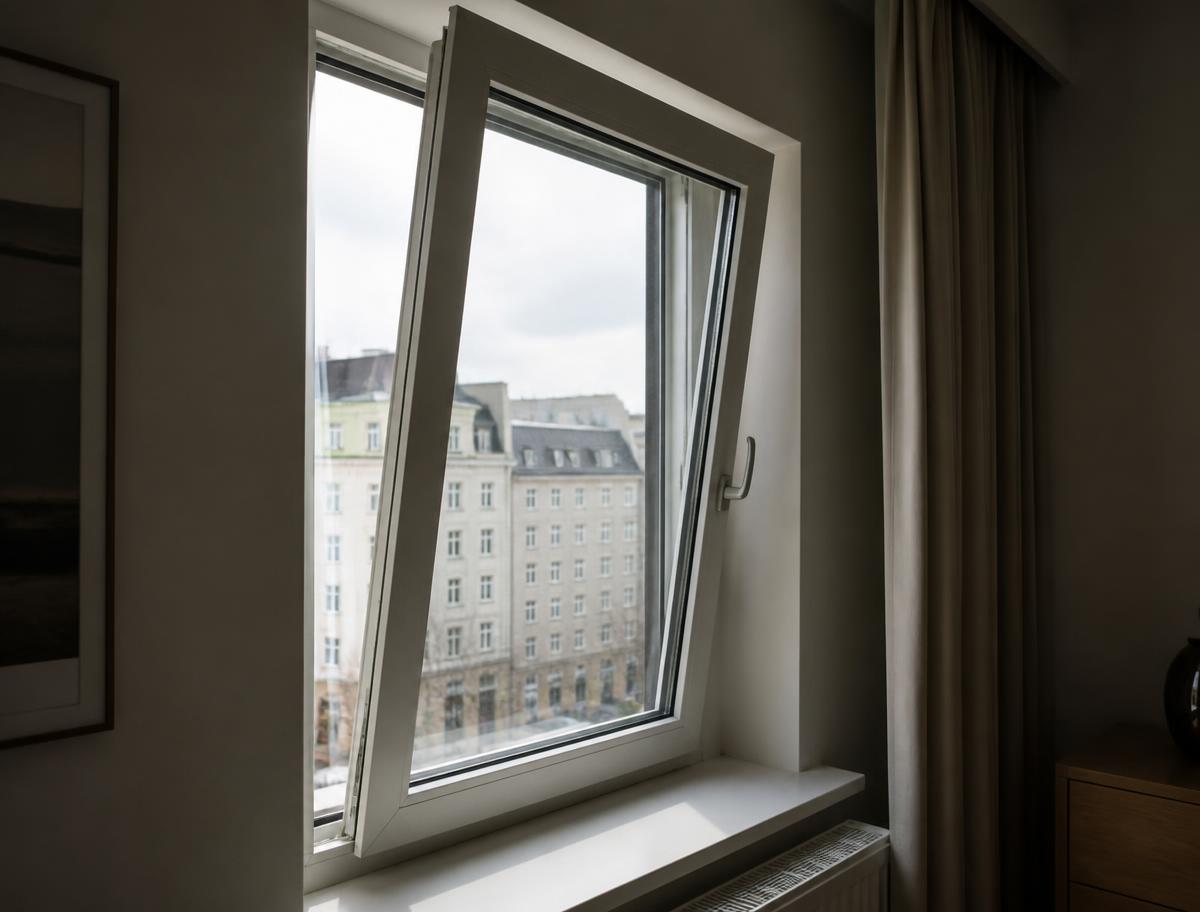
One handle, two windows. Turned a quarter, the sash tips inward at the top for secure background ventilation you can leave open overnight. Turned all the way, the whole sash swings into the room like a door, opening the full aperture and putting the outside of the glass in front of you at chest height.
It is the standard window across most of Europe, and in a Queens apartment building four floors up with no fire escape and no way to reach the outside of the glass, it solves a problem the American catalogue simply does not address.
How it works, and what that means day to day
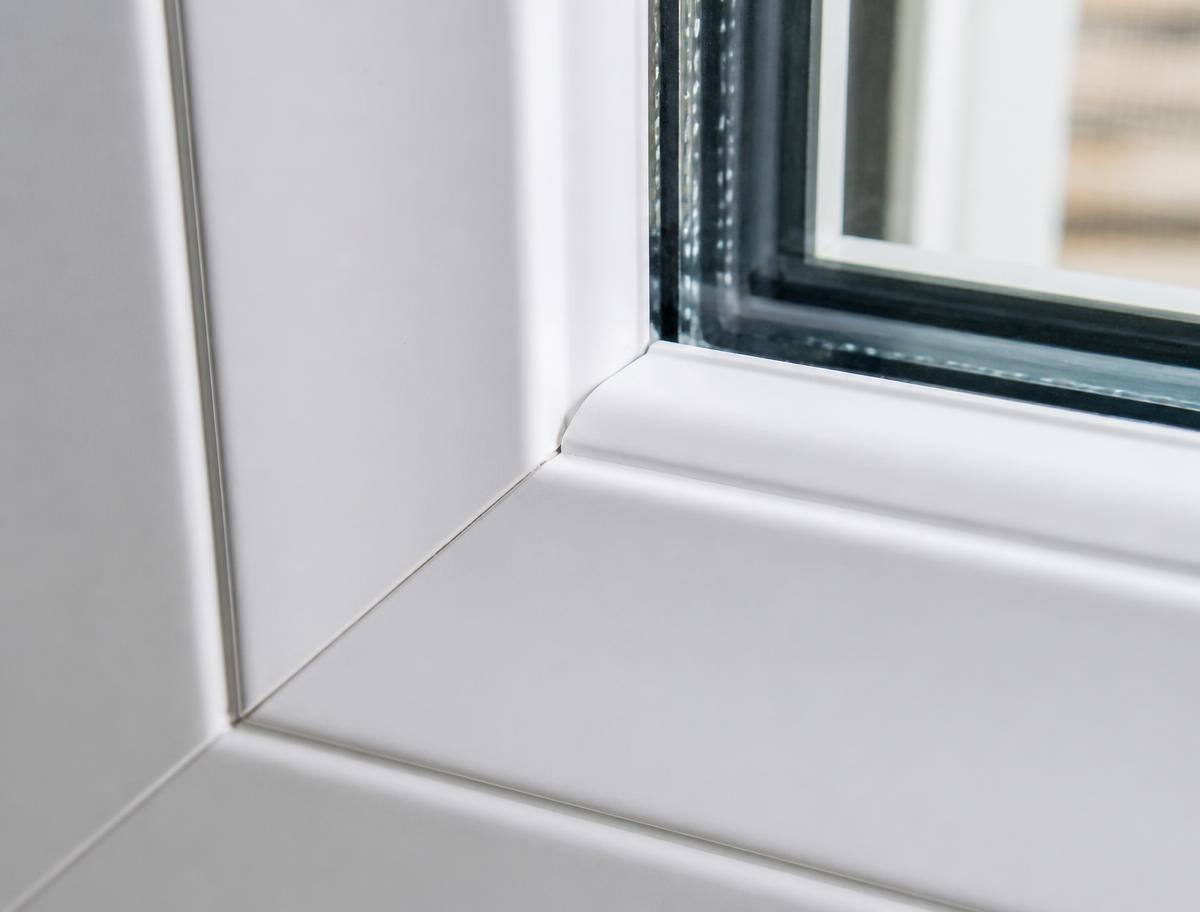
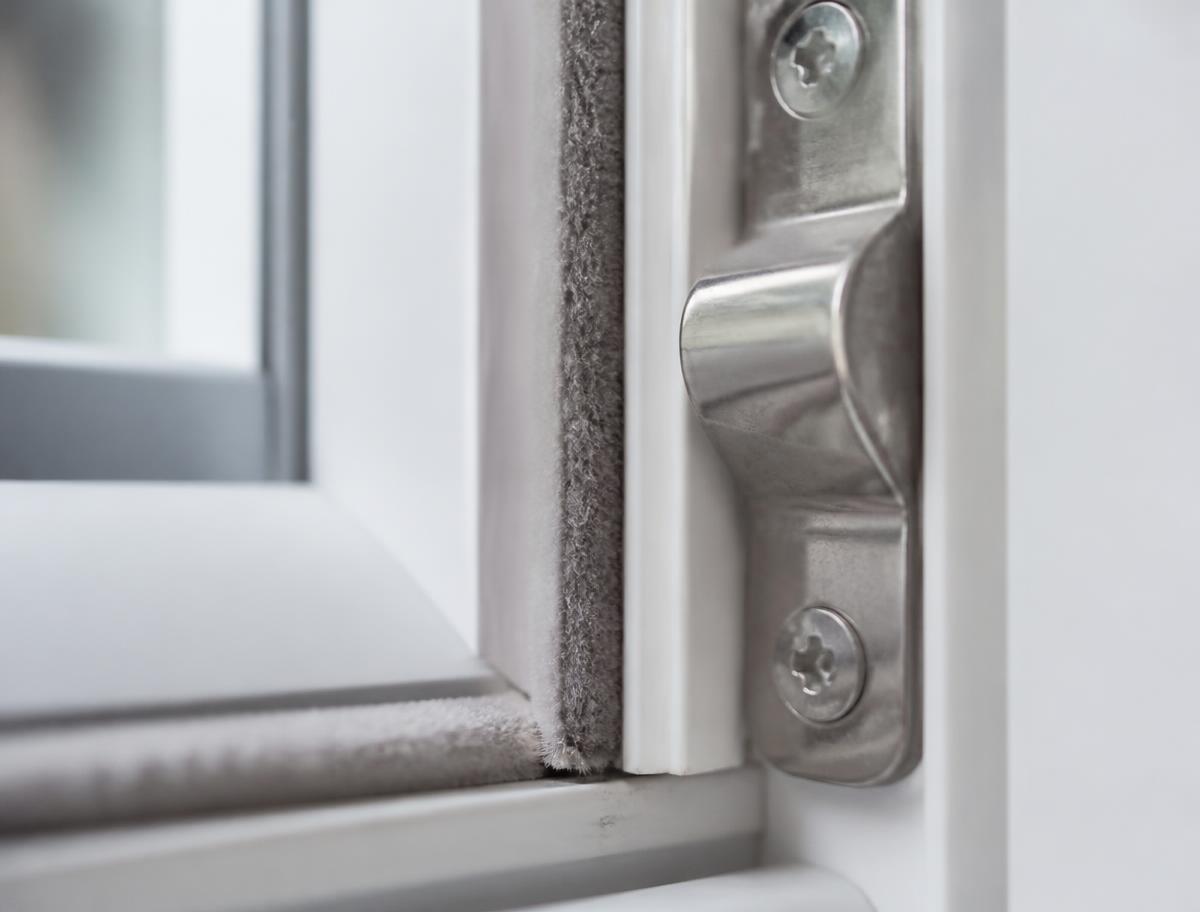
Multi-point hardware runs around the sash perimeter and locks it into the frame at several points at once, compressing a continuous gasket. That is the source of both the airtightness and the noticeable step up in sound attenuation on a busy street.
The tilt position is the one people fall for: a room can be aired all night with the window effectively secured, and rain rarely gets in.
What sets it apart from the other five
- The only type that both tilts for secure ventilation and swings fully open.
- Cleaned entirely from inside — better than a tilt-in double-hung, which only tips the sashes.
- Sealing on par with or ahead of casement, and generally the best sound performance of the six.
- Needs interior clearance — curtains, blinds, furniture and radiators all have to be considered.
- Hardware is European; service and parts are less commonplace here than standard American operators.
Where it fits best
- Upper-floor apartments and multi-family buildings with no exterior access to the glass.
- Bedrooms and living rooms on arterial roads, near elevated lines, or under a flight path.
- Ground-floor rooms wanting ventilation without leaving an opening someone can climb through.
- Modern renovations already using European aluminum or uPVC systems.
Trade-offs to know before choosing
It costs more than anything else in this list, sash weight limits practical sizes, and the inward swing takes room. Screens go on the inside. If a bedroom relies on the window as its escape opening, the clear opening in turn mode has to be verified for that specific model rather than assumed from the geometry.
Questions worth raising at the estimate
Every opening argues its own case. These are the details that decide whether a tilt-and-turn is the right answer in your rooms rather than in general.
- Measured net clear opening if the room is a bedroom — the daylight opening, not the frame size.
- Exterior clearance: walkways, fire escapes, party walls, neighbouring buildings, air shafts.
- How you will clean the outside of the glass once it is installed.
- Whether an air conditioner, window guard or existing gate has to keep working.
- Glazing package for the exposure — sun, wind-driven rain, or street noise.
- For landmarked or historic-district properties, what the Landmarks Preservation Commission and DOB will accept before anything is ordered.
Tell us what you would like to change.
You do not need to know the product name or have every measurement ready. Start with the property, the windows, and the problem you want to solve.